CASE STUDY

ALMACEN PURISTA

Bridging the gap between hunger and food.

UX DESIGN
USER RESEARCH
INFORMATION ARCHITECTURE
VISUAL DESIGN
WOODWORKING

Almacén Purista is a vegetarian restaurant located in the heart of Buenos Aires in Argentina. It’s been on the scene for 5 years focused on traditional portenian cuisine with a variety of seasonal dishes.

I completely redesigned the most important touchpoints, aiming to strengthen the clients’ bond and increase sales.

Knowing that menu design is crucial for a restaurant, I’ve always wanted to redesign their classic menu.

RETHINKING THE CLASSIC LIST WITH PRICES

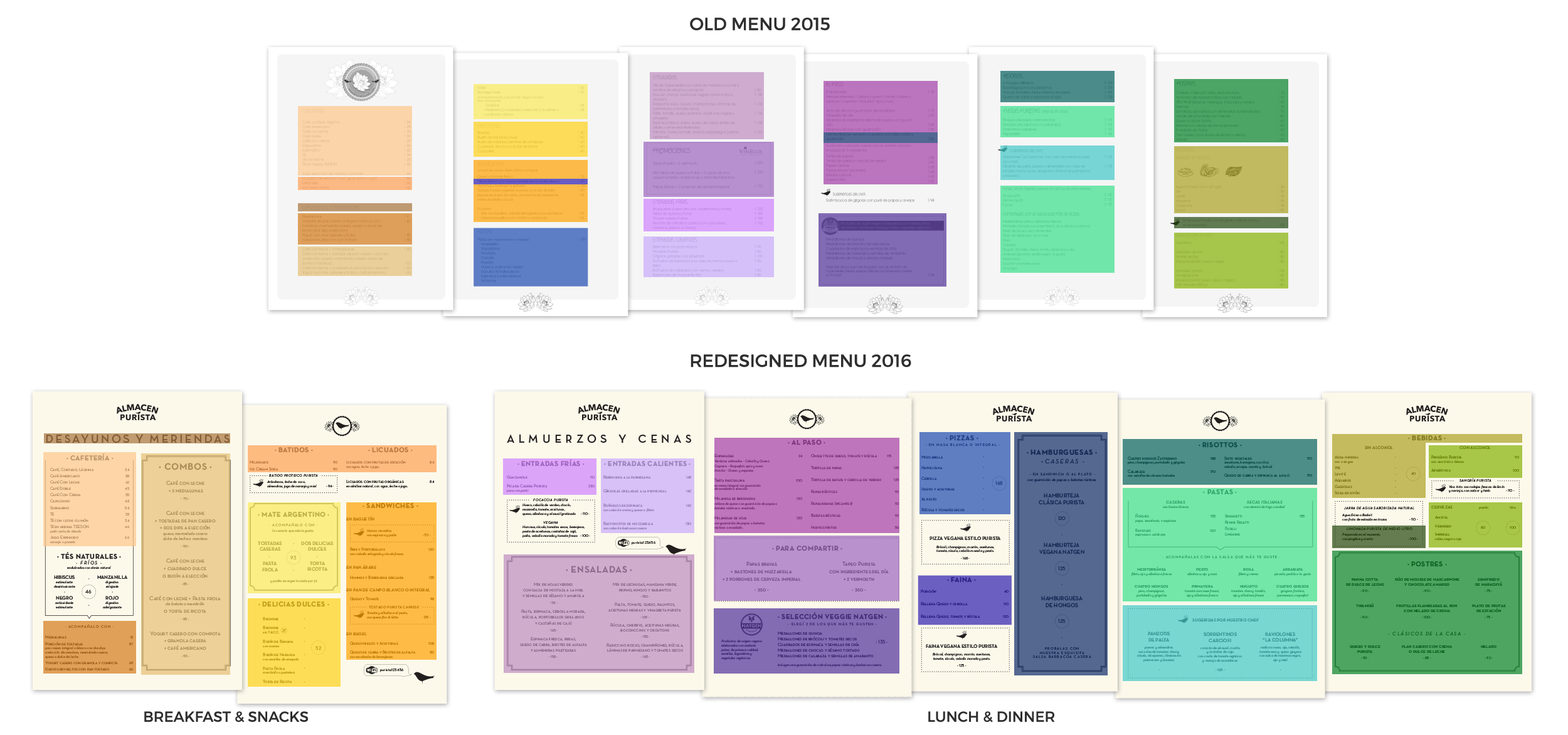
In 2016 there were important changes in Almacén; it was entirely redecorated. The kitsch period ended and the purista spirit was reborn. With more dishes added it was necessary to update the menu, and finally I had the excuse to do a comprehensive analysis and redesign.

With the redecoration and the new dishes, finally we redesigned the menu focusing on our customers.

It was essential to take advantage of all the client feedback obtained over the years through one of the main stakeholders: the waitstaff.

They are the direct link between the menu, the kitchen and the inquisitive and beloved customers. Many questions can be fielded directly in the menu with a more clever layout and better information architecture.

During the interviews with the owners and waitstaff, I obtained very valuable insights that helped to discover opportunities for improvement through redesign.

Insights gained during waitstaff interviews

ISSUES DETECTED IN THE OLD MENU PROPOSED SOLUTION
 

“The font is too small and difficult to read”

The typography was gray and very thin, with a deficient spacing.

Increase typography legibility.

Using bigger sizes, solid and contrasting color.


“People take too long to choose”

The menu contains a lot of options that are presented in a way that doesn’t help people choose.

Tailor menu depending on time of day.

Splitting into Lunch/Dinner, Breakfast/Snacks. Categorize dishes in blocks with highlights.


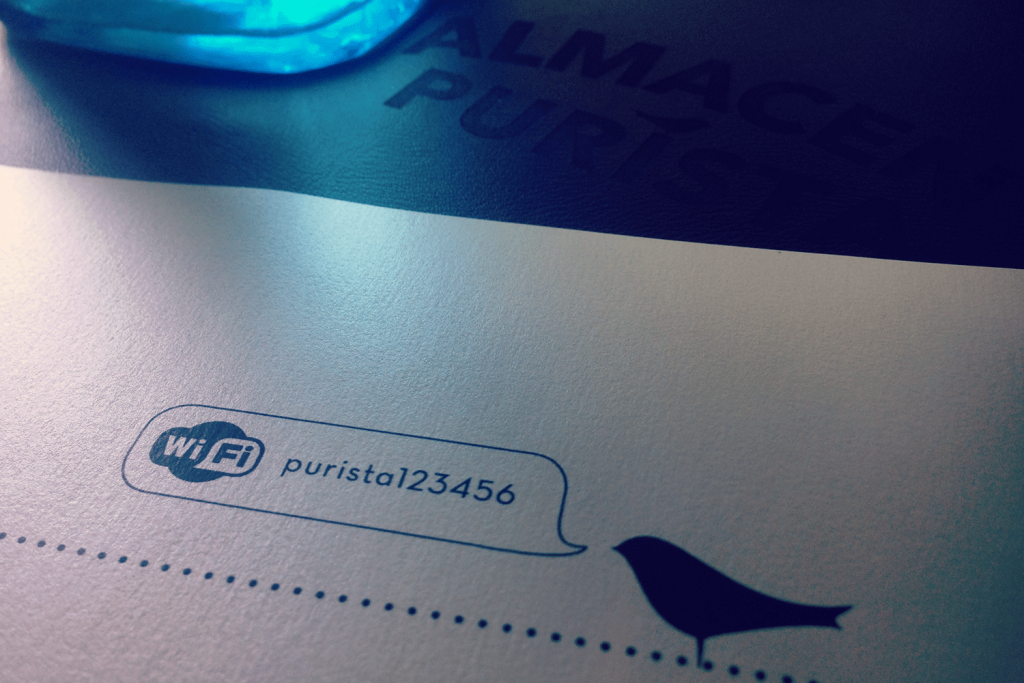
“What’s the wifi password?”

The waitstaff had to respond this question at least 10 times a day on average.

Make useful information available.

Add the password to a visible place on the first page.


“Which dishes are big enough for sharing?”

The customers were after the biggest portions, or those ideal for trying more dishes shared between a few people.

Establish visual hierarchies.

Adding titles and eye magnets to indicate the most abundant and shareable dishes.


“Which dishes are celiac friendly?”

The menu didn’t clearly indicate if there are dishes free of gluten.

Meet standards.

Logo “without TACC” at a side of the dishes that were gluten free.

Other ideas that appeared after the investigation
GROUP SAME CATEGORY DISHES

Put in the same place instead of scattered throughout the menu

HIGHLIGHT BOXES

For drawing eyes to the new or less popular dishes.

USE THE ENTIRE PAGE

Let the design breathe with smart usage of margins and columns.

REMOVE CURRENCY SYMBOL

Unlink the relationship between money and price, let people choose according to ingredients, quality, or what sounds most appealing.

MAKE POPULAR CHOICES VISIBLE

Showcase the offers and dishes that you want to promote during different times of the day.

OFFSET THE PRICE COLUMN

Avoid price shopping that lead them to choose the cheapest item in the column

Early Prototypes

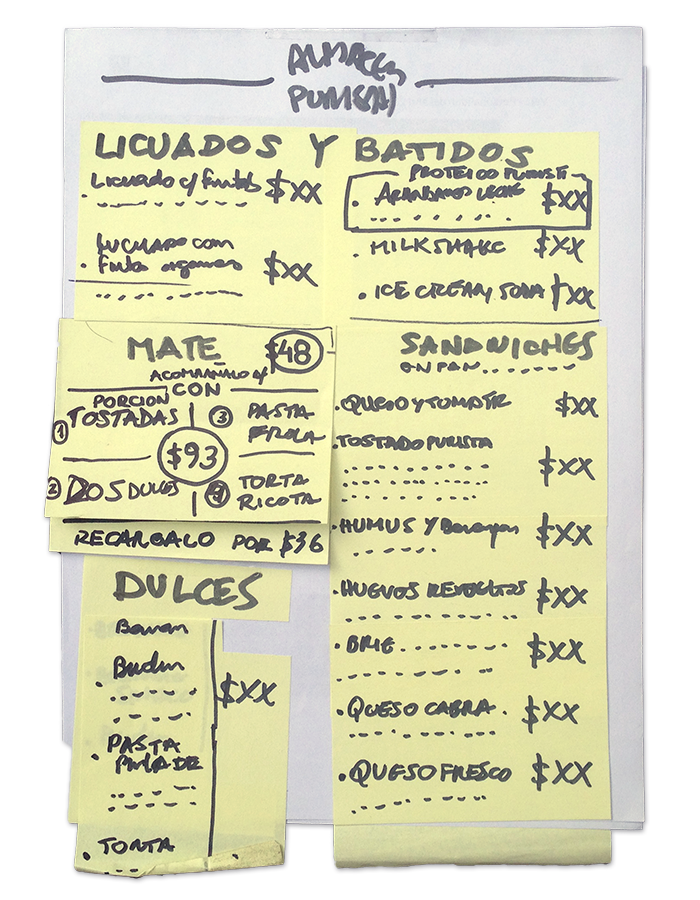
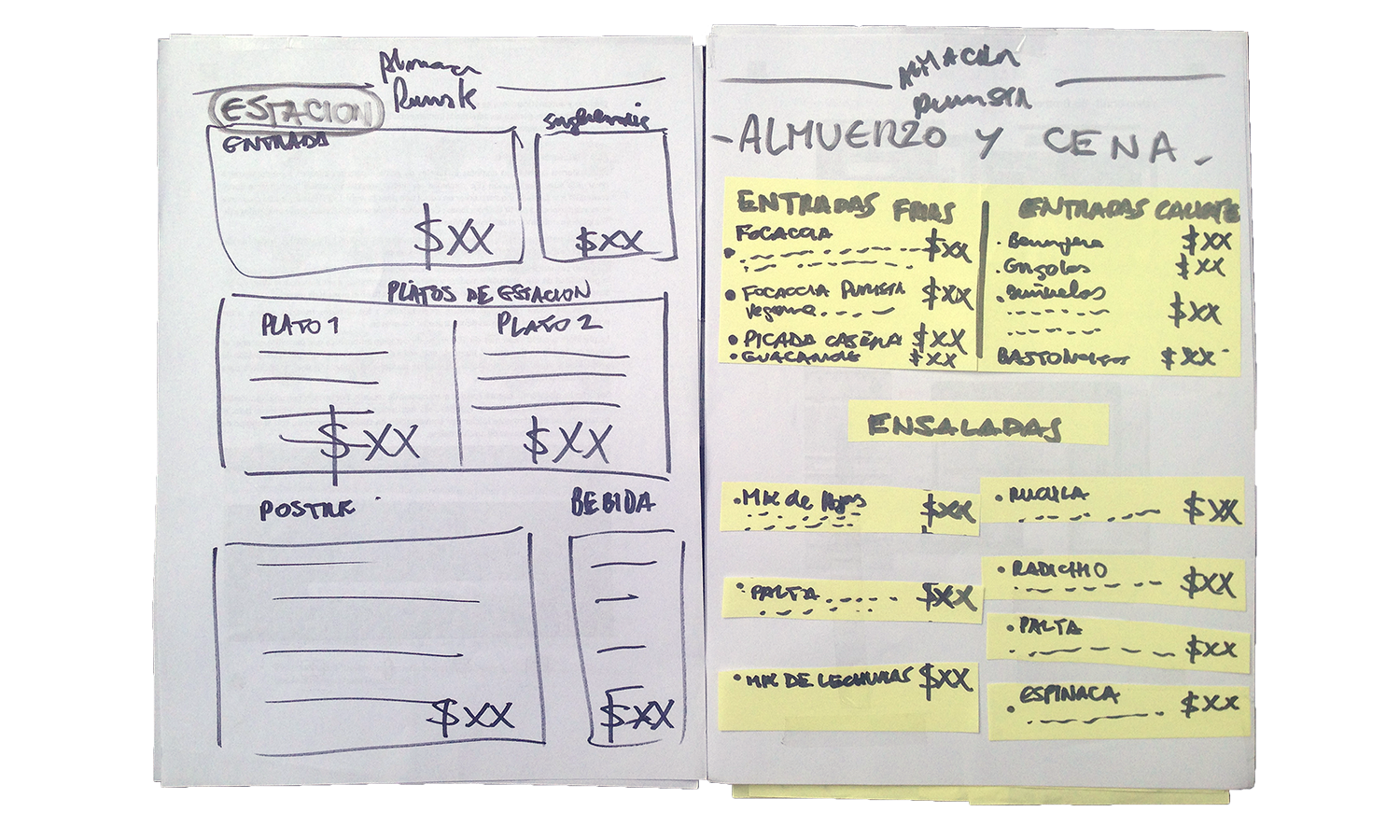
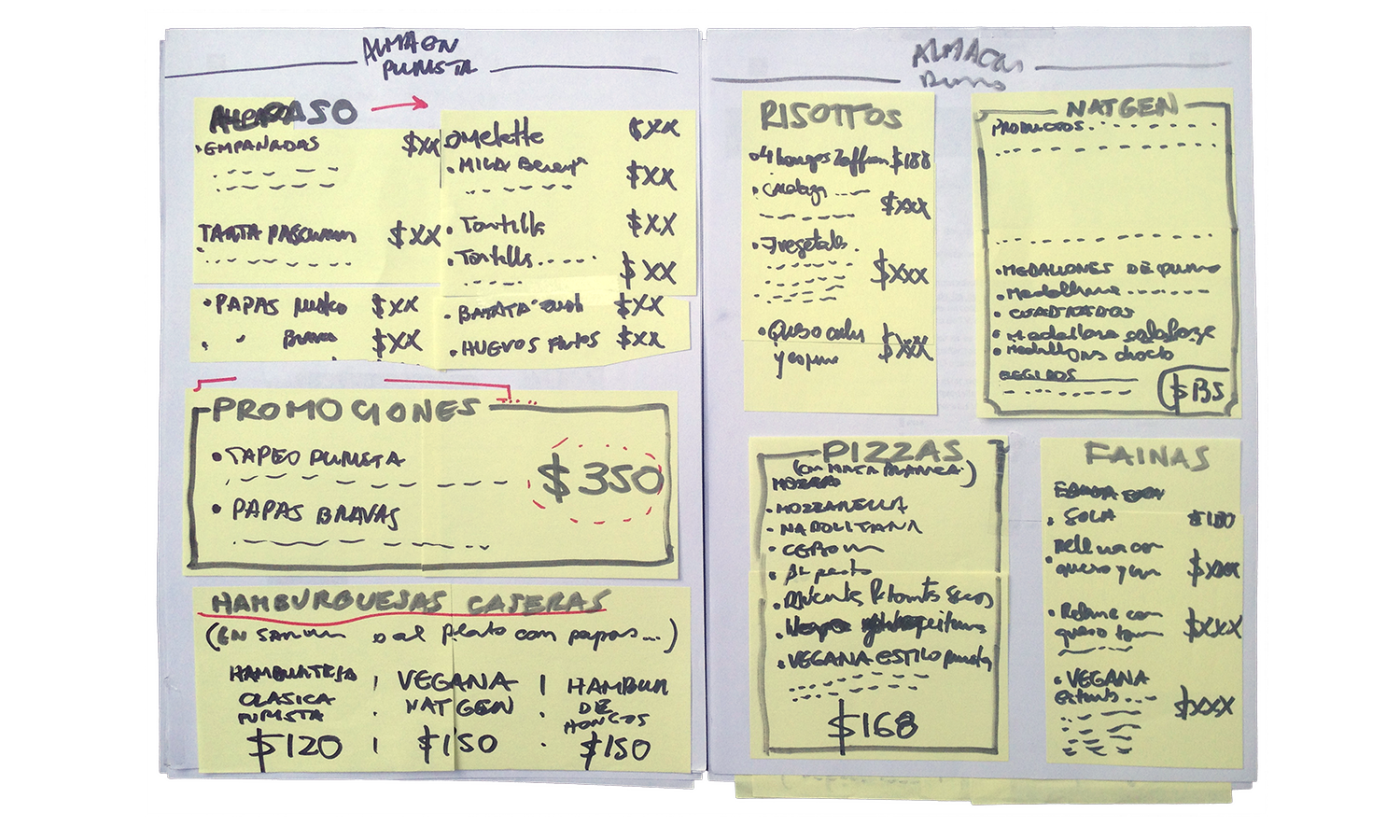
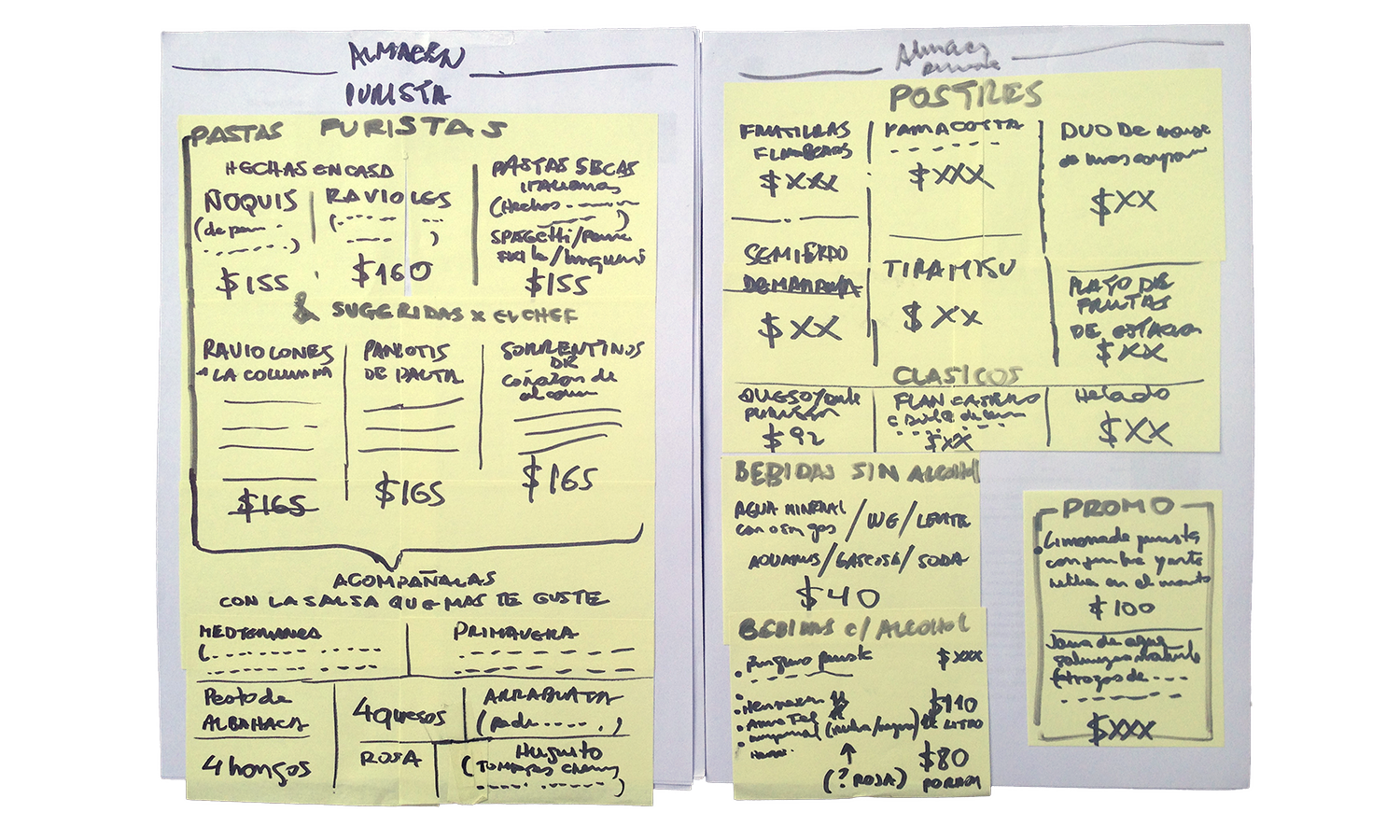
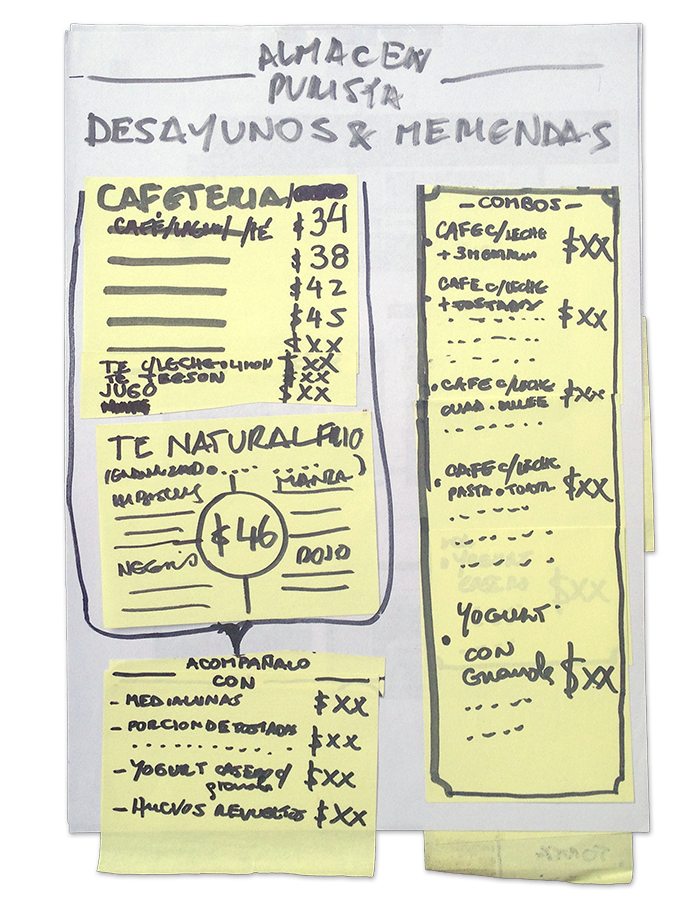
The paper prototypes of the menu layout were a tangible instance that let us make changes effortlessly based on the feedback provided by the waitstaff. This saved time, twists and turns, and helped to achieve general consensus from the very beginning.

Breakfast & Snacks
Lunch & Dinner

PROTOTYPE, VALIDATE, ITERATE.

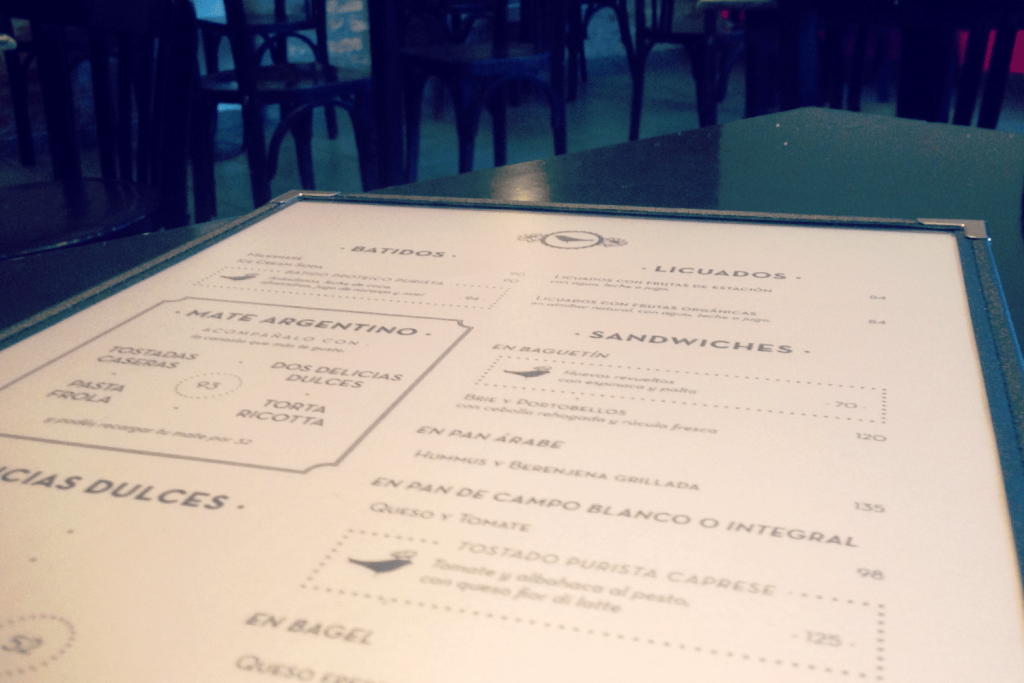
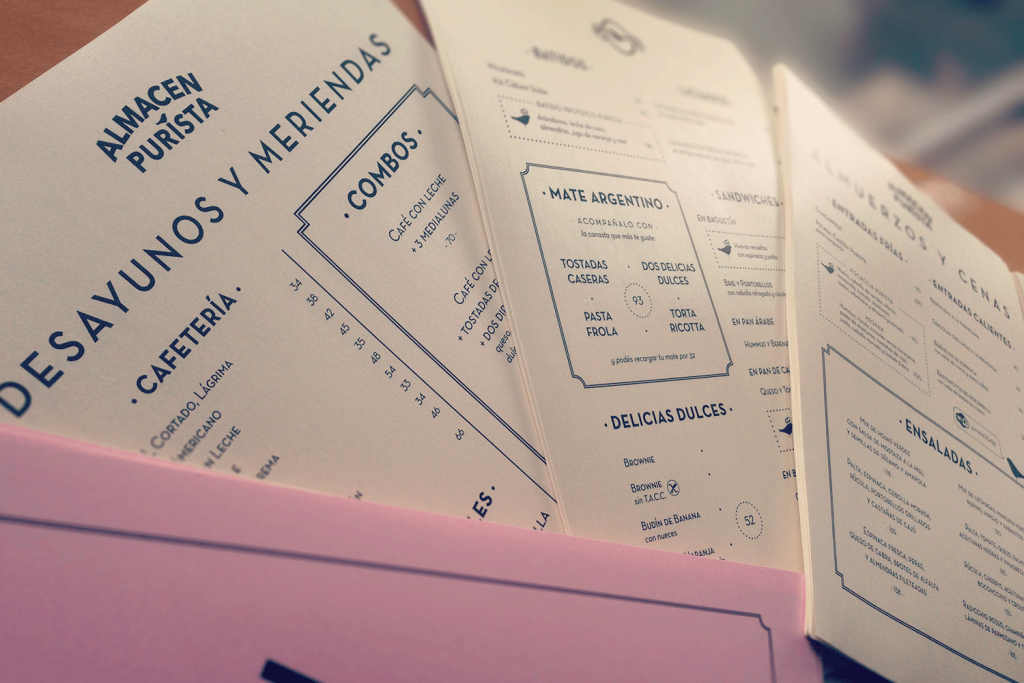
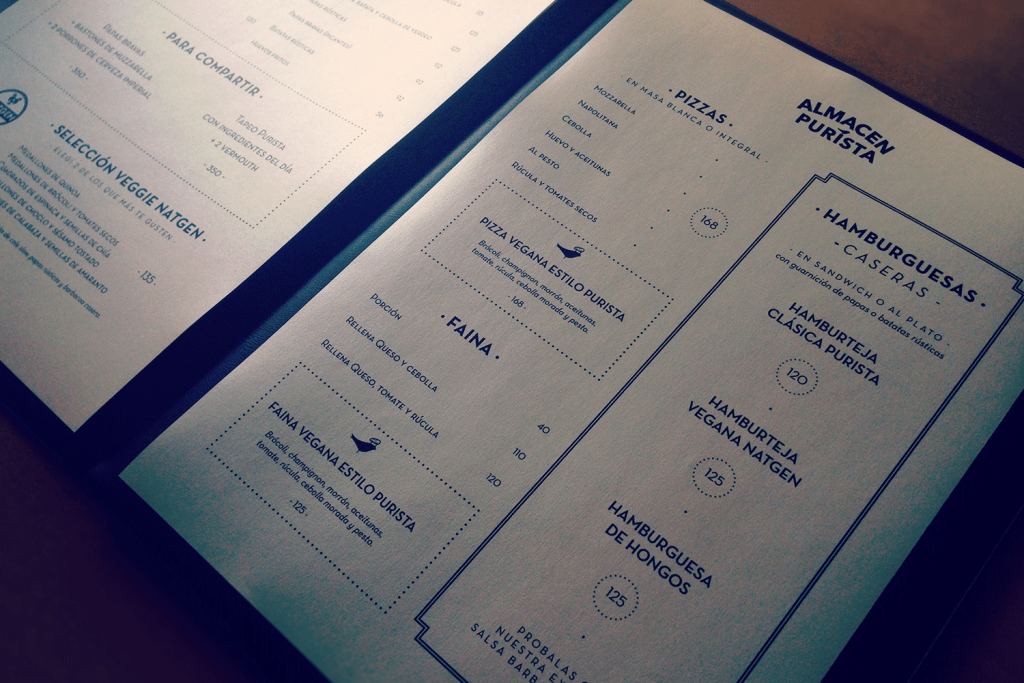
The majority of the proposed ideas were incorporated into this prototype. One was decisive and especially welcomed: split the menu according to the “times of the day”. Doing this, each part of menu became shorter, making the clients’ selection quicker and easier.

Separation of the menu according to the times of the day was vital for reducing the choosing time.

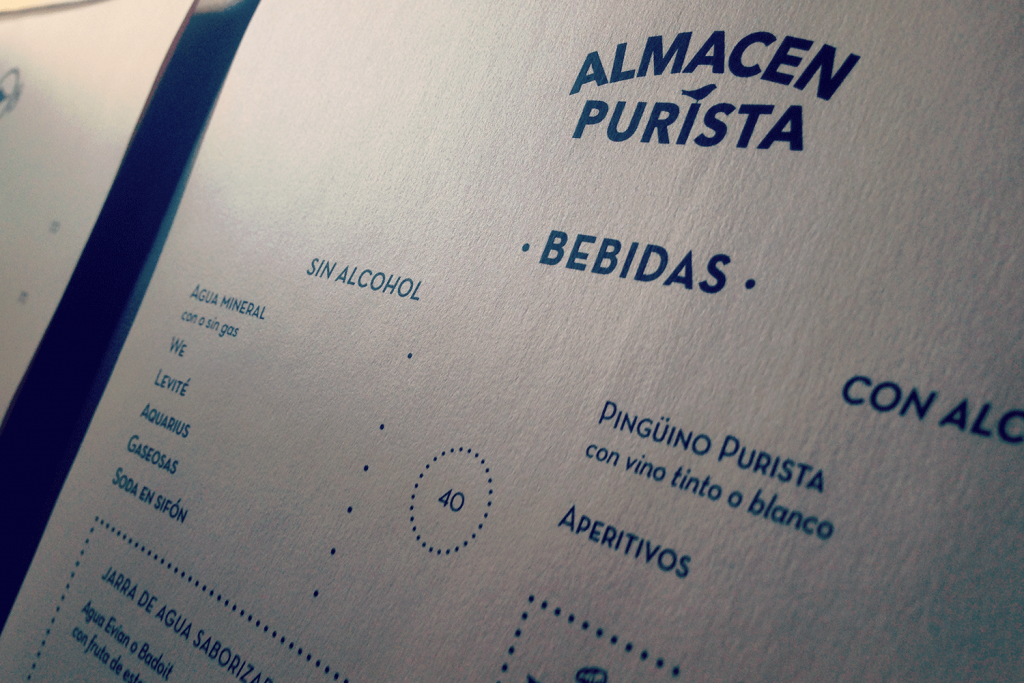
After two iterations and validations, finally we had a design that could be printed. Choosing paper with a pearly finish helped to increase the perceived status of the restaurant and thus further supported the identity that we wanted to embody.

Almacen Purista and

the lotus flower

According to the philosophy of Almacén Purista, the lotus flower represents the harmony and connection with nature. However the old logo felt disharmonious due to its excessive decoration and crooked form. I created a new logo that felt more pure and simple, in line with the overall identity program.


An updated version, more geometric and simple.

RESULTS


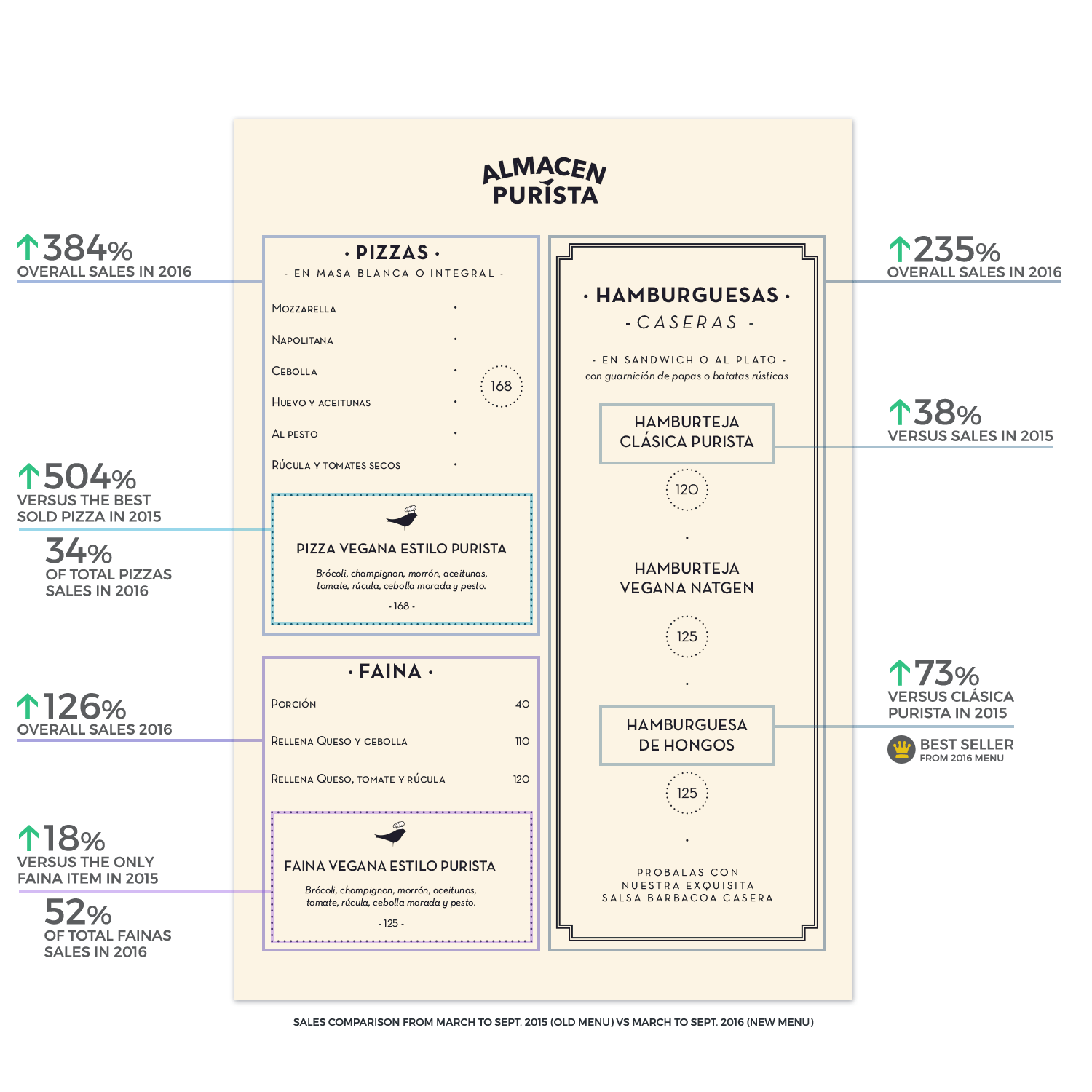
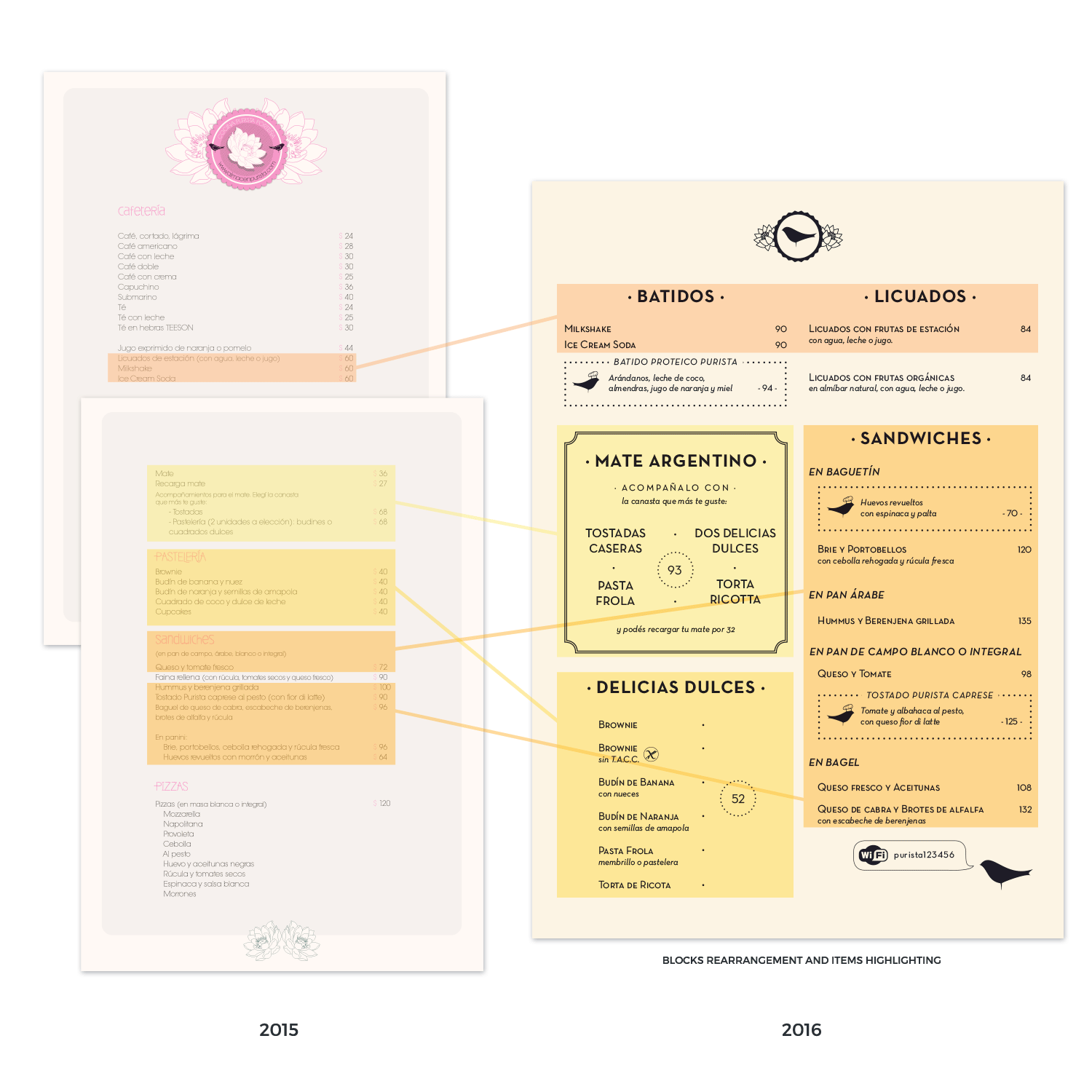
According to the metrics taken from their point of sale software we were able to prove that the redesign and repositioning of particular dishes had favorable results. There was a noticeable increase in sales of the highlighted items, validating assumptions set at the beginning.

The highlighted items increased in sales compared to the previous year.
LAYOUT REDESIGN
Breakfast & Snacks Sales Growth
Lunch & Dinner Sales Growth
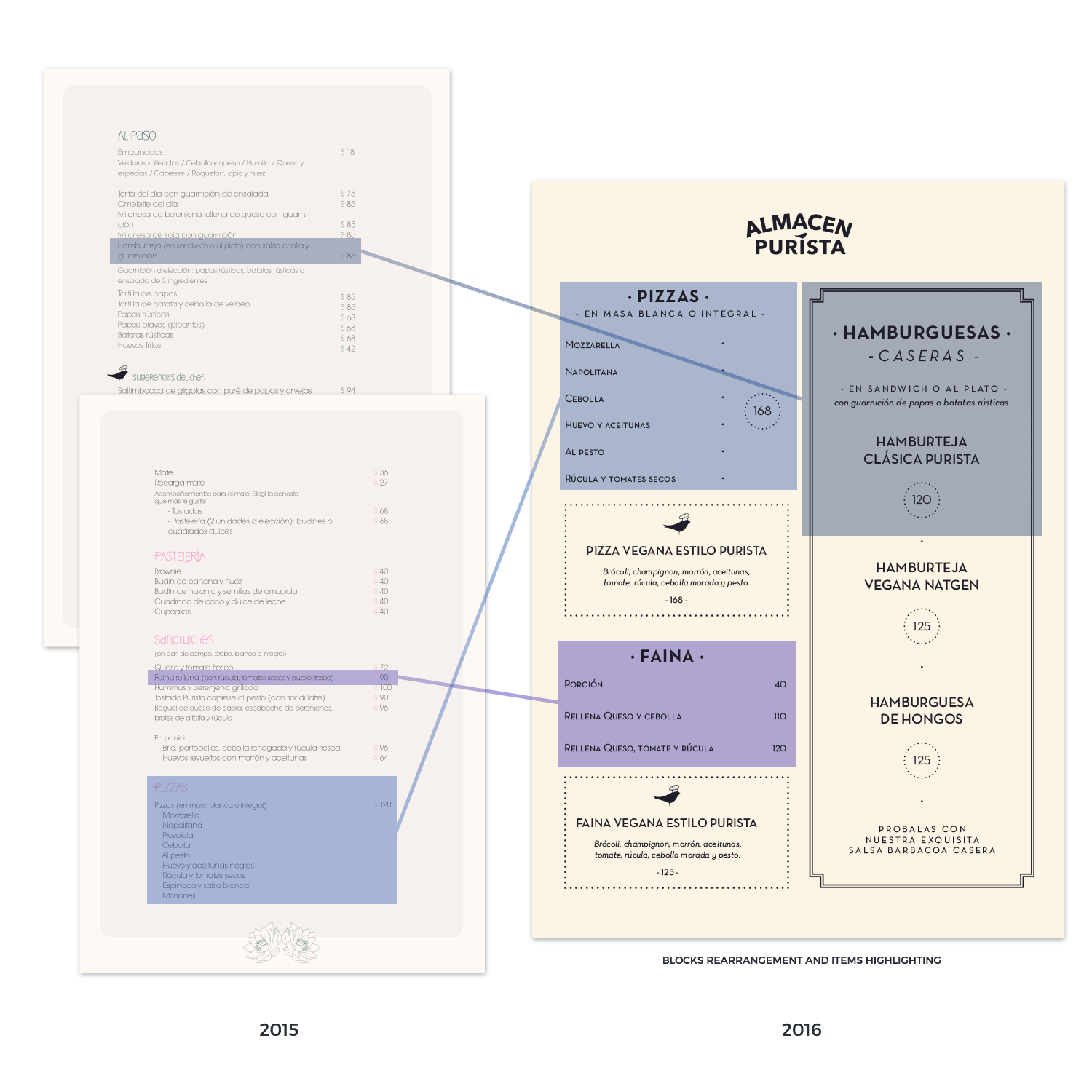
Hamburteja Purista Clásica, (made with lentils) is an example of a highlighted item that grew in sales by 38% in comparison with the previous year despite the fact that its price increased by 40% due to inflation.

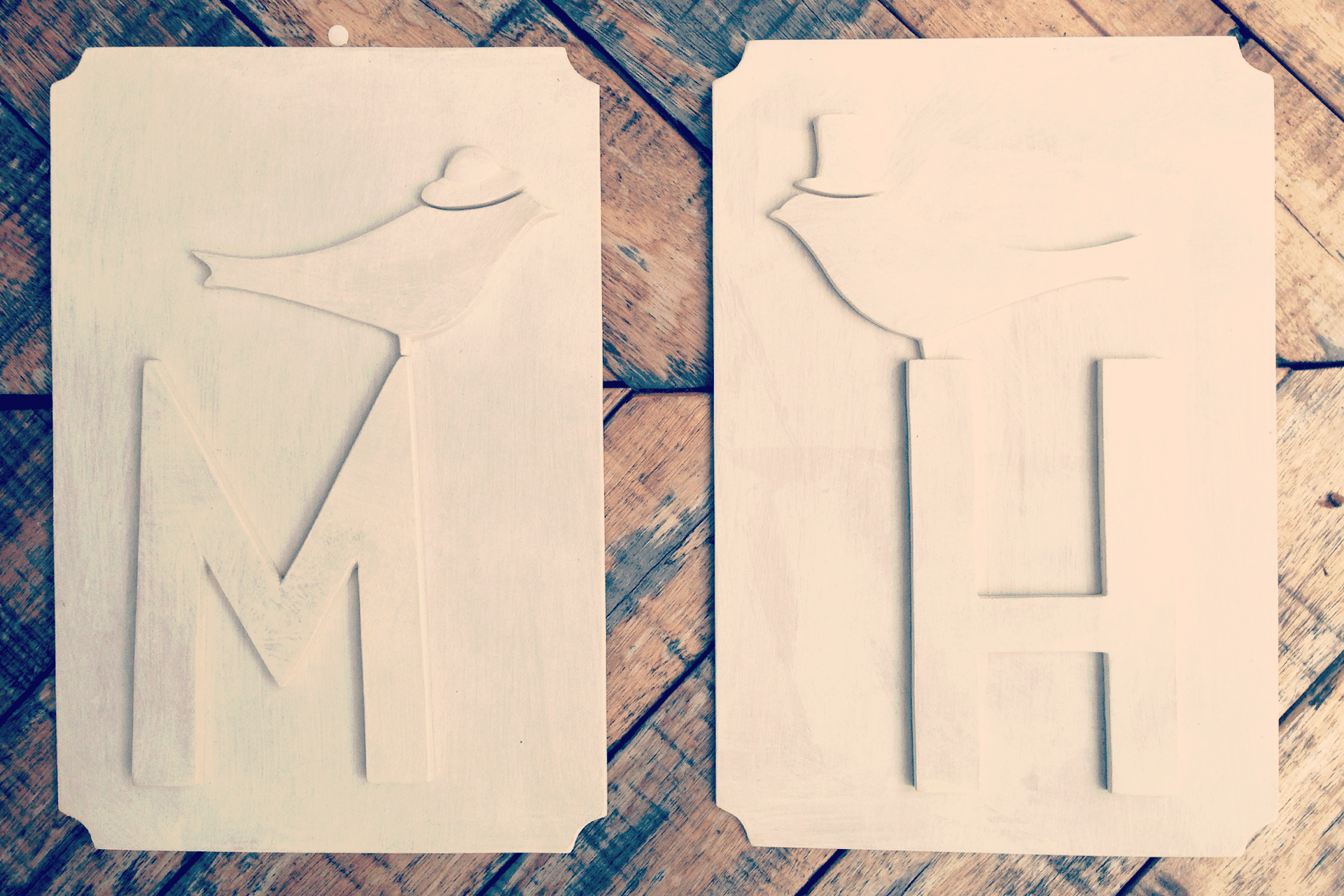
BIRDS WITH HATS:
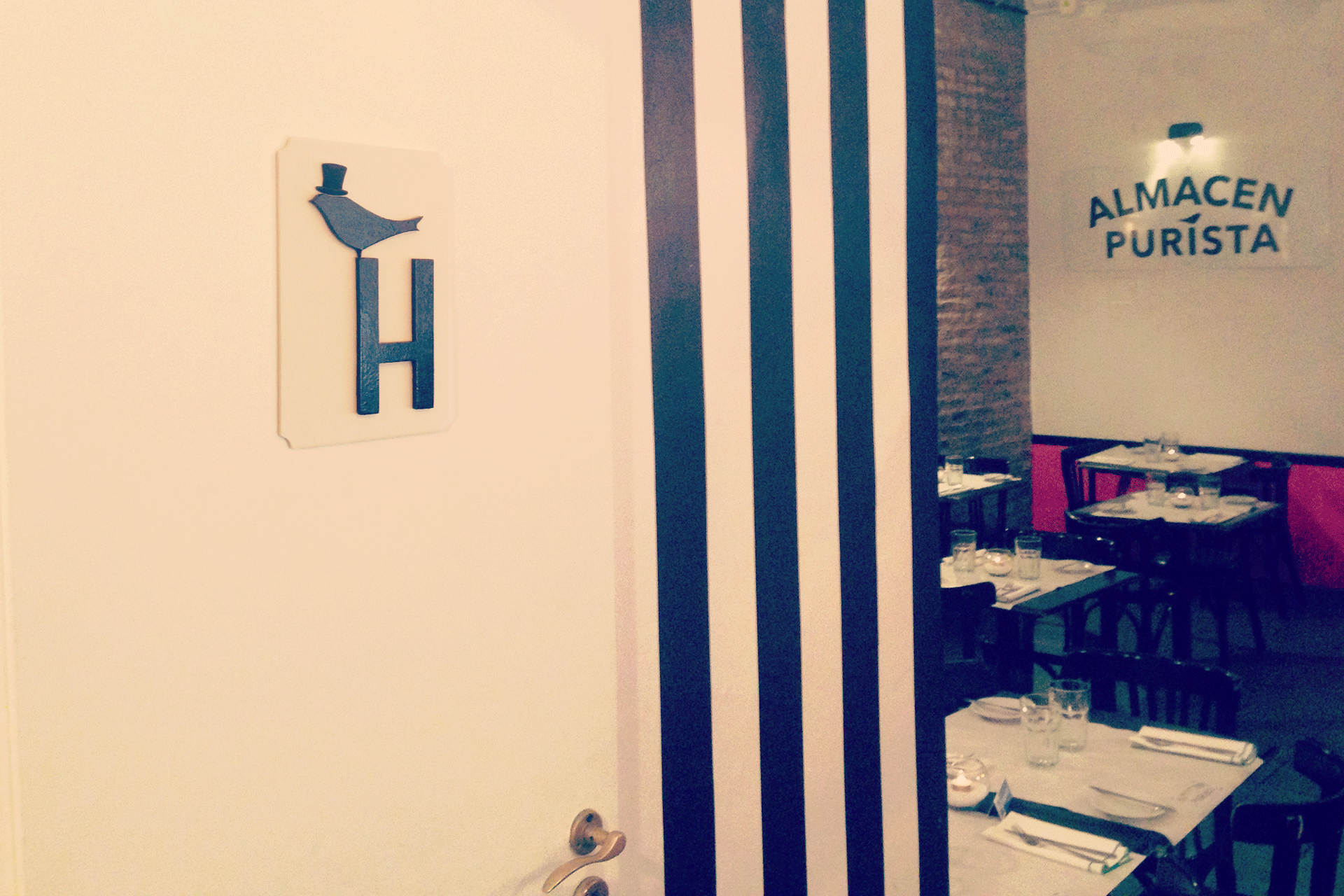
SIGNAGE FOR RESTROOMS

The signage was redesigned based on client feedback that they couldn’t quickly identify the correct door.

To make this solution work, I considered some key factors:

  • Easy recognizable from mid distance.
  • Color differentiation.
  • Long lasting.
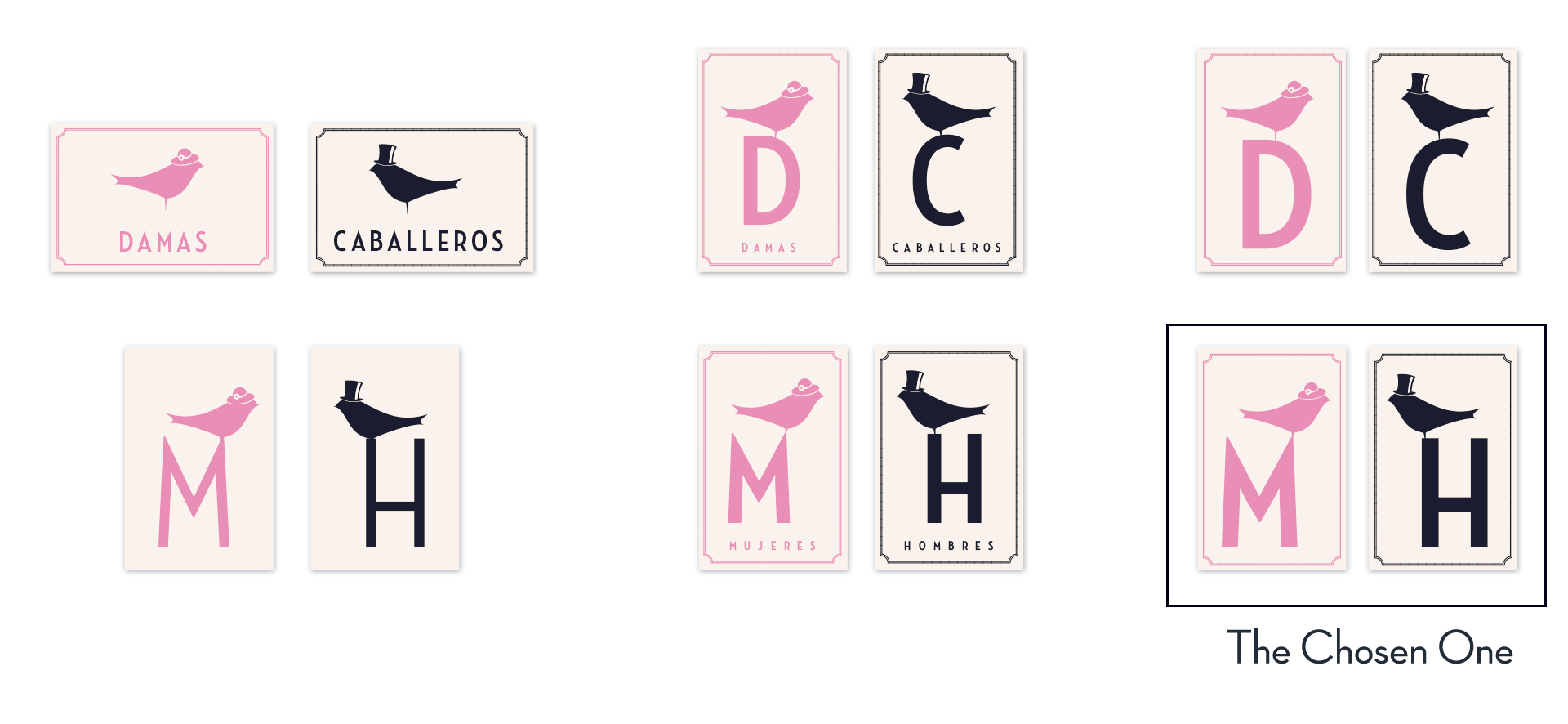
We needed to get rid of the classic pair “damas y caballeros” (ladies & gentlemen) and move to something more laid-back, like “mujeres y hombres” (women & men).

To find out which one was the denomination that better adapts, I made a quick survey amongst clients, friends and family. It consisted of choosing “the pair” of words that would “describe the sign on the toilet door” in the best and familiar way.

The majority found the pair “Mujeres y Hombres” (women and men) the most familiar and adequate, unlike the pair “damas y caballeros” (ladies and gentlemen) that sounded obsolete and too formal.
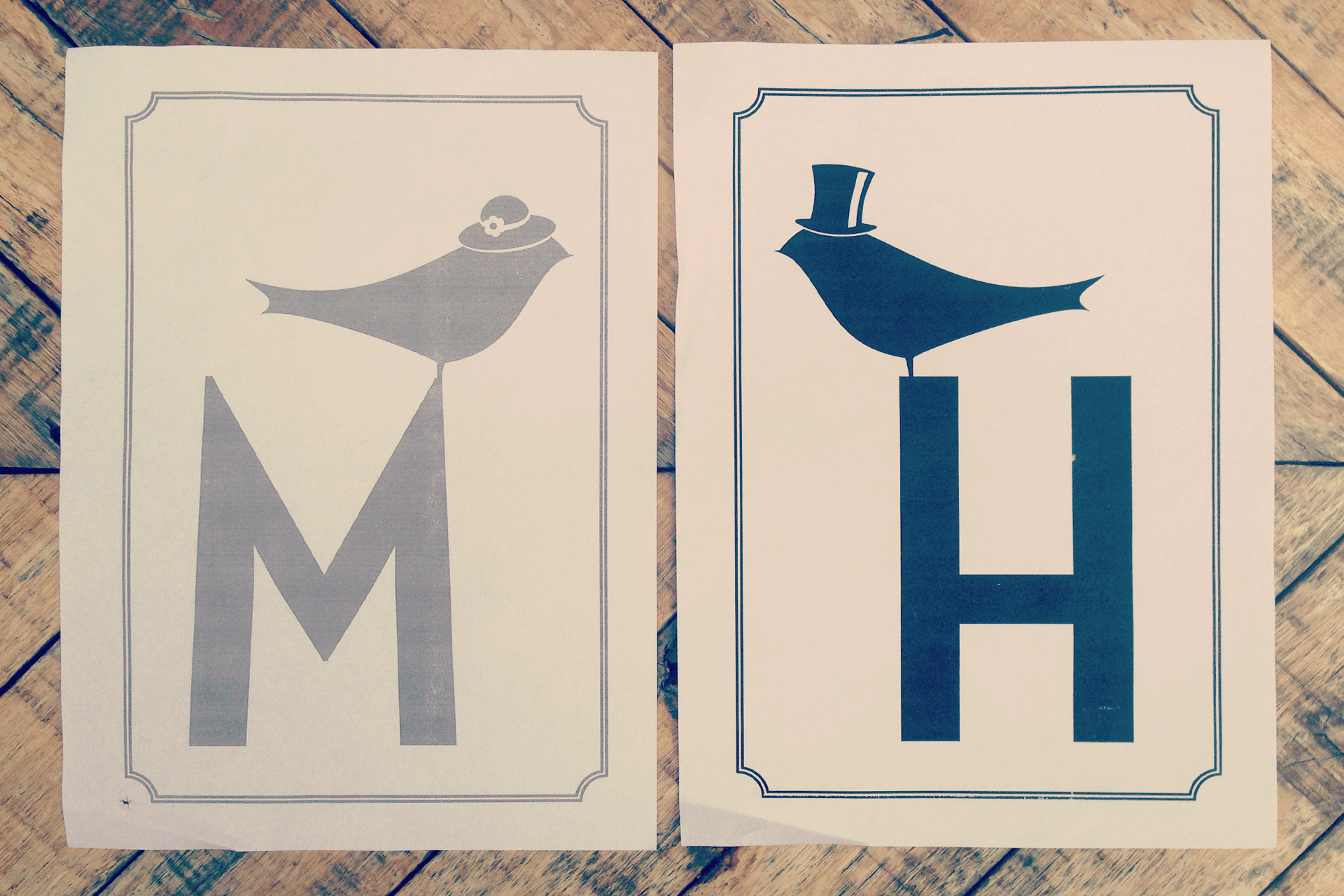
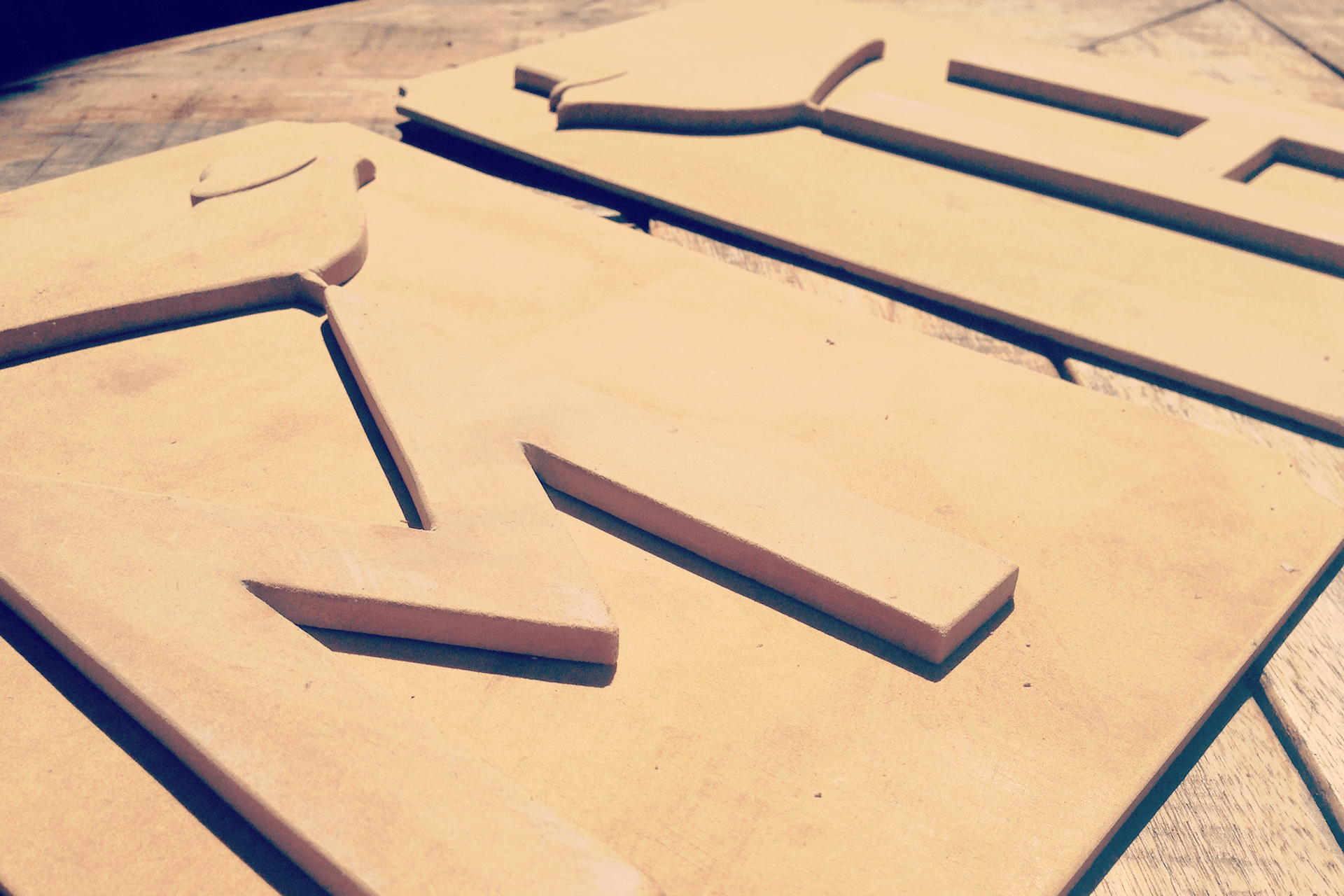
Moreover, after selecting the right option, I checked if it was necessary to include the words “hombres” and “mujeres” themselves or if the letters were implicit enough. The minimalist version without words won the battle.

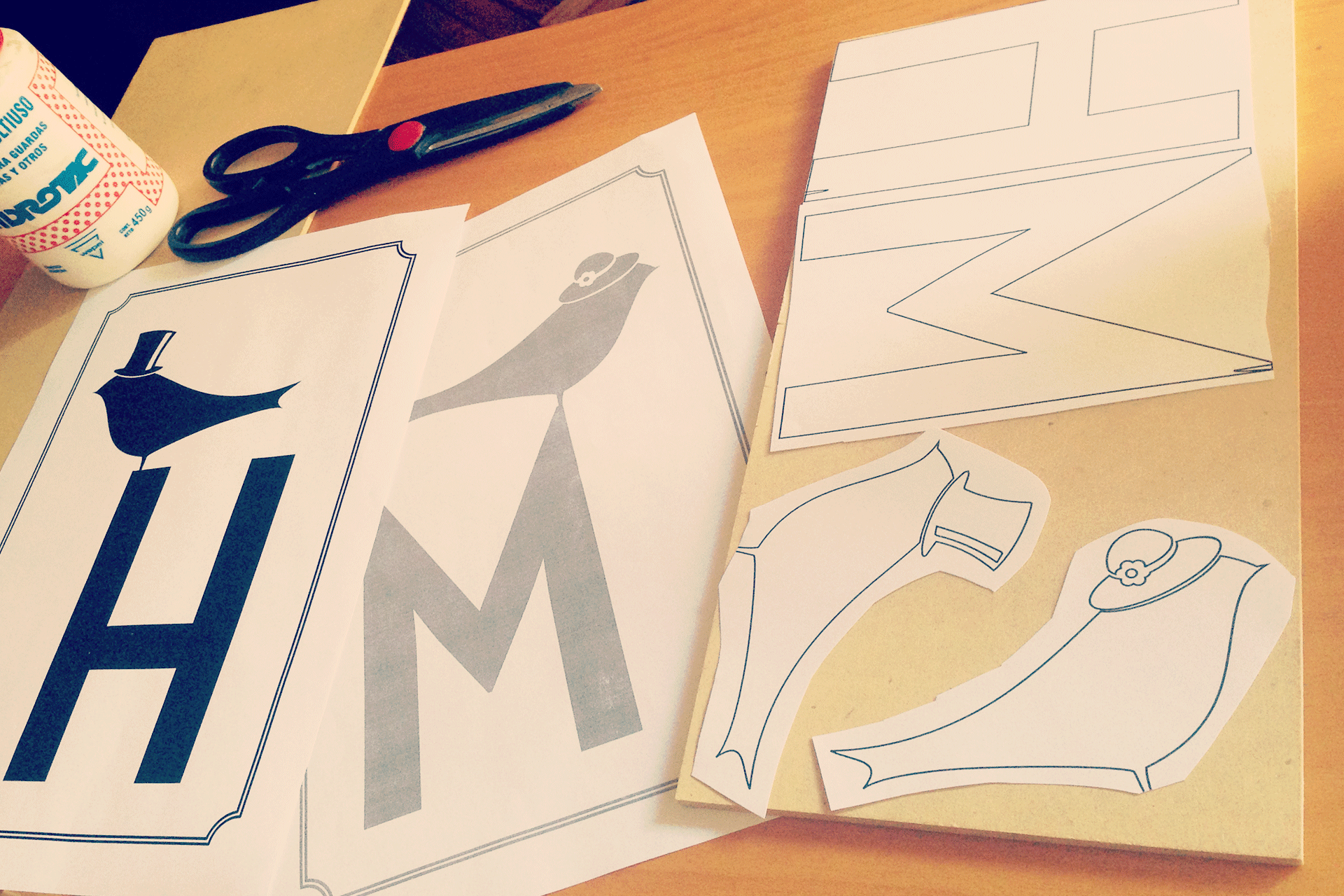
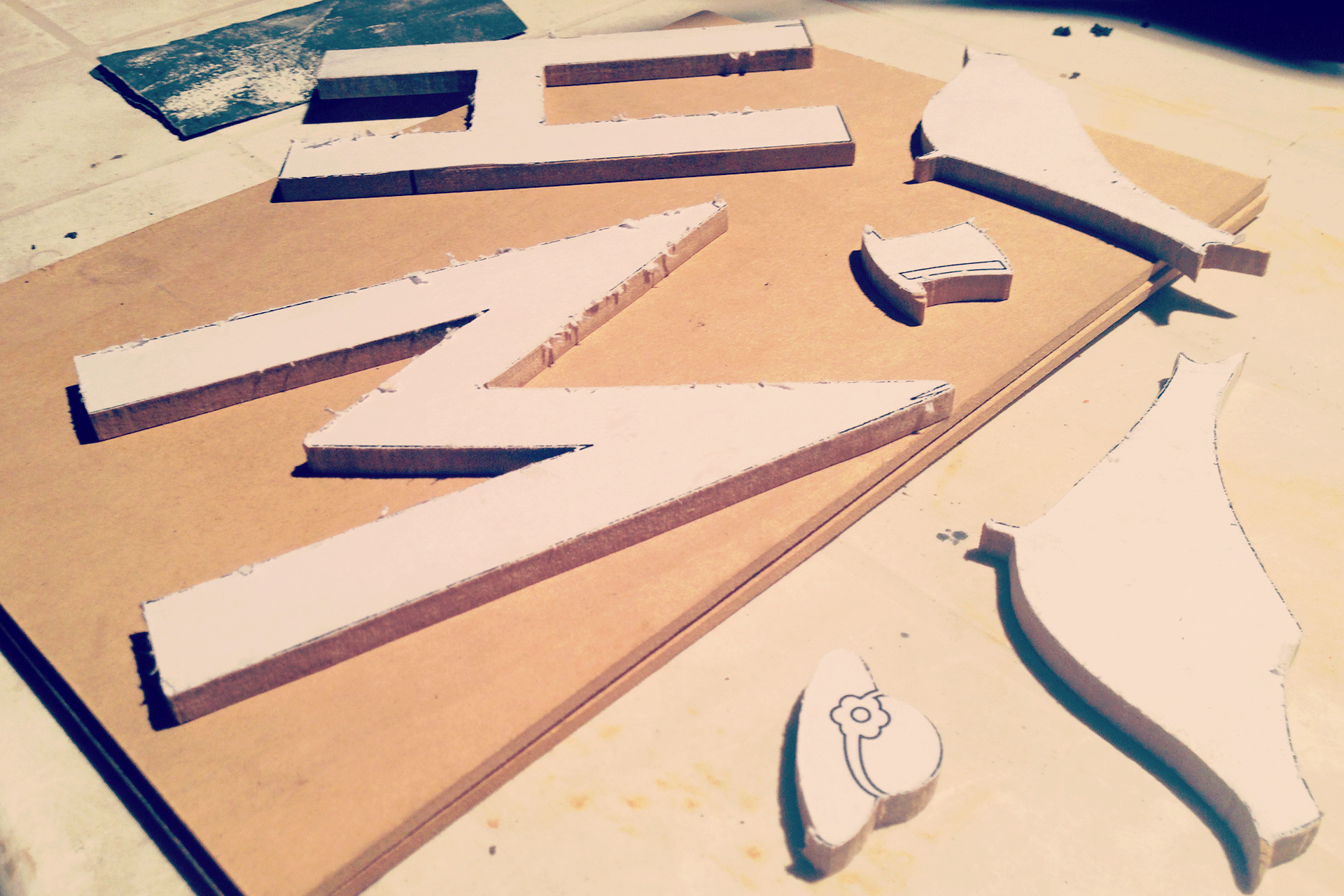
STEP BY STEP

THE BIRDS AT WORK

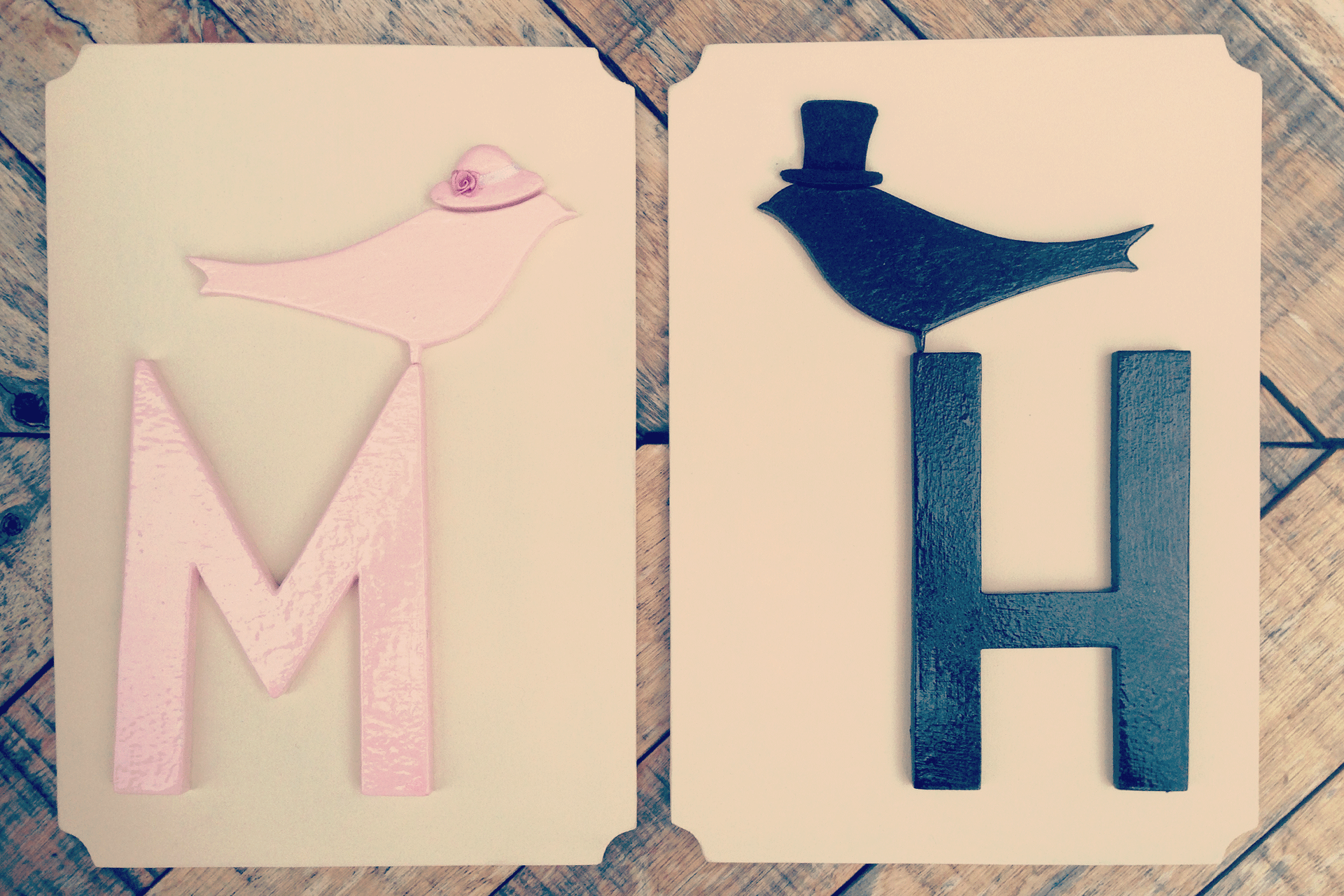
Finished Signage

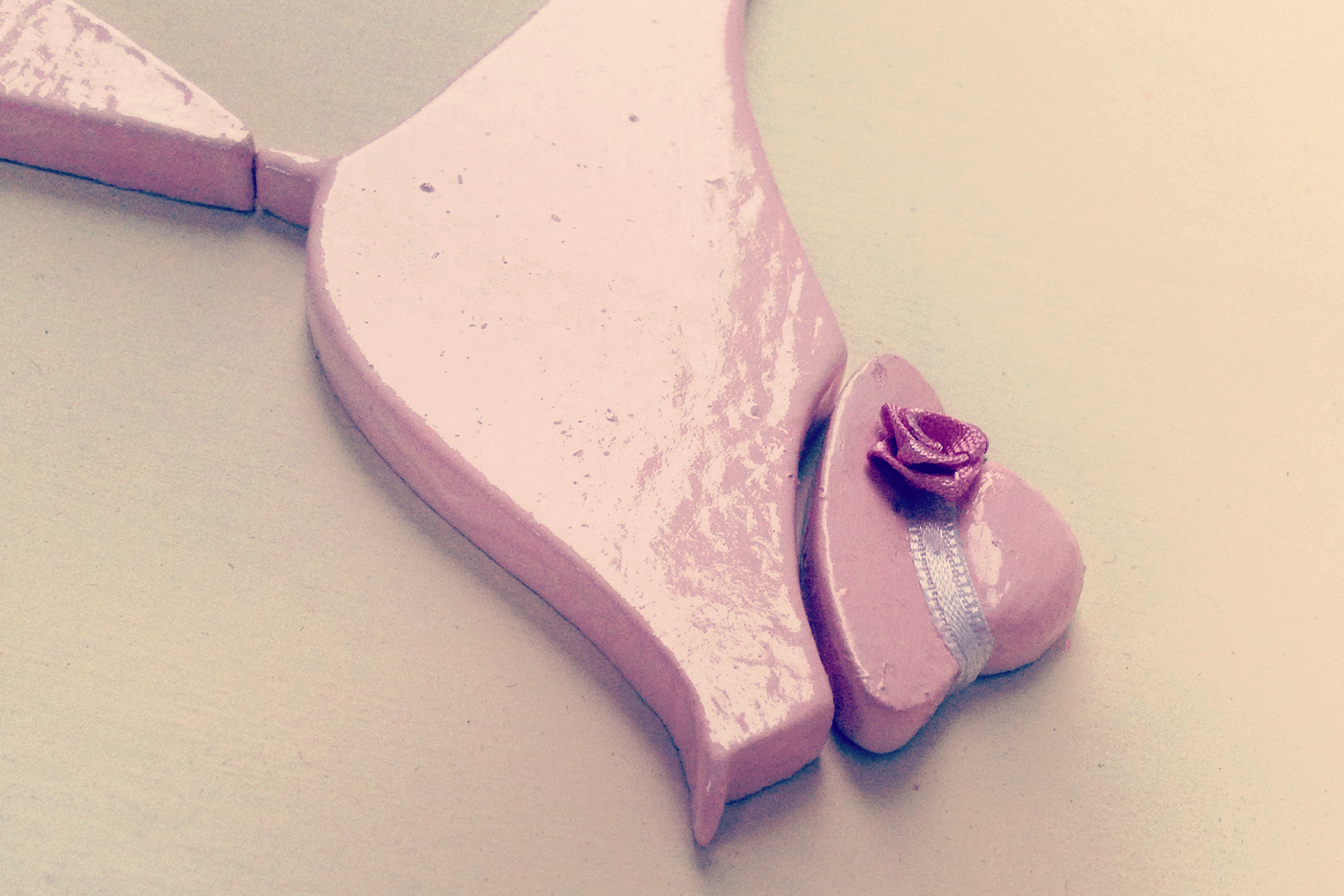
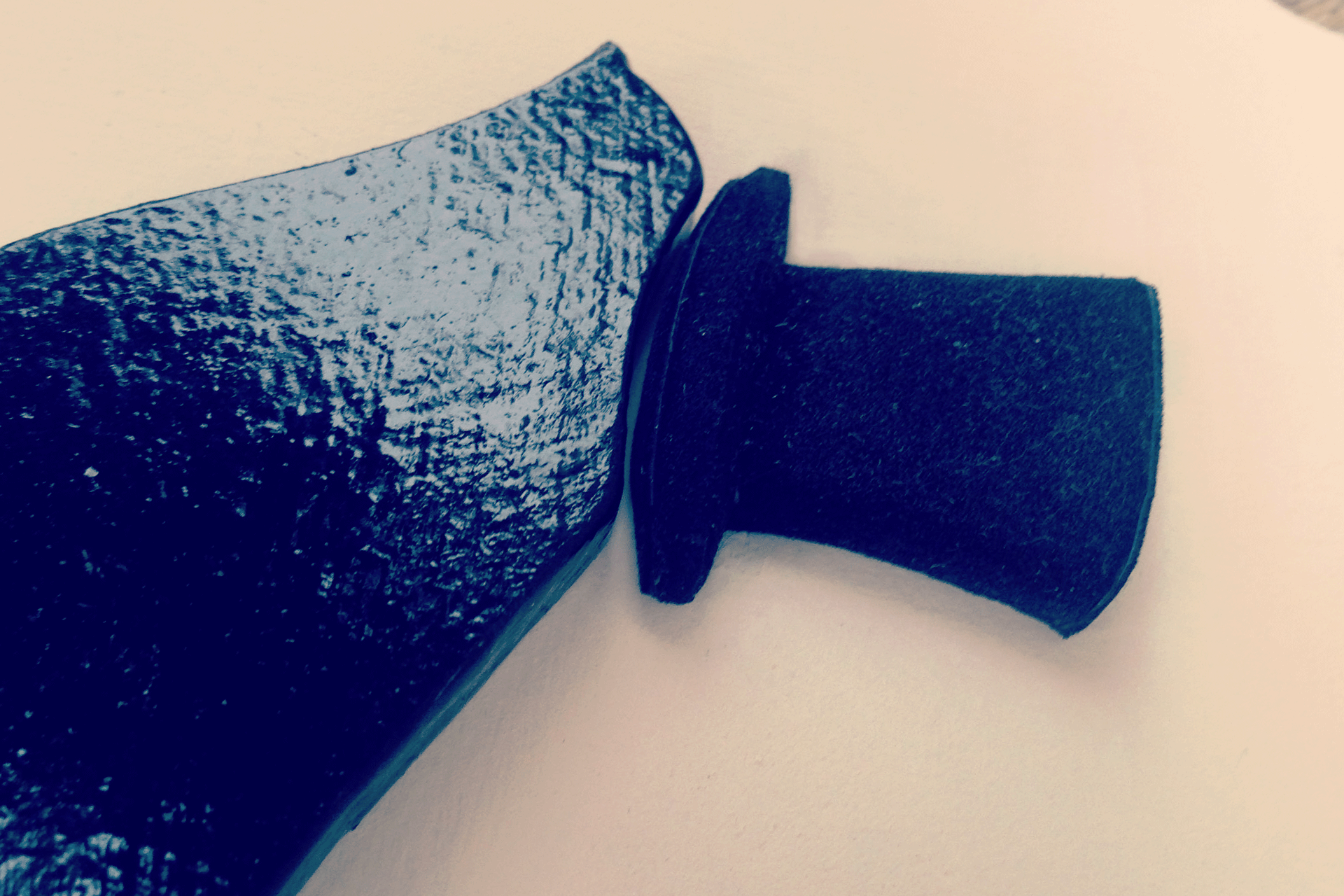
Texture and accessories detail.
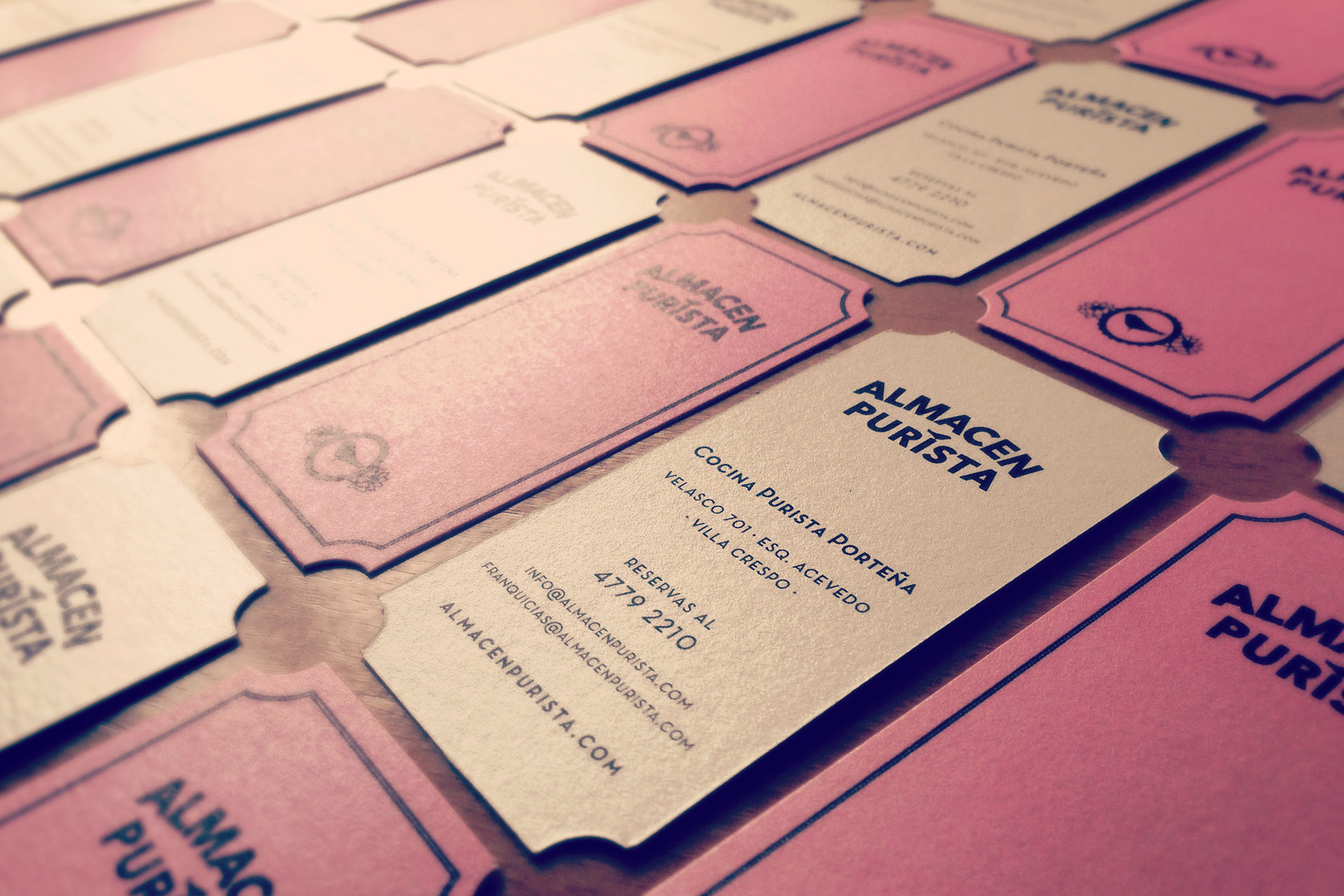
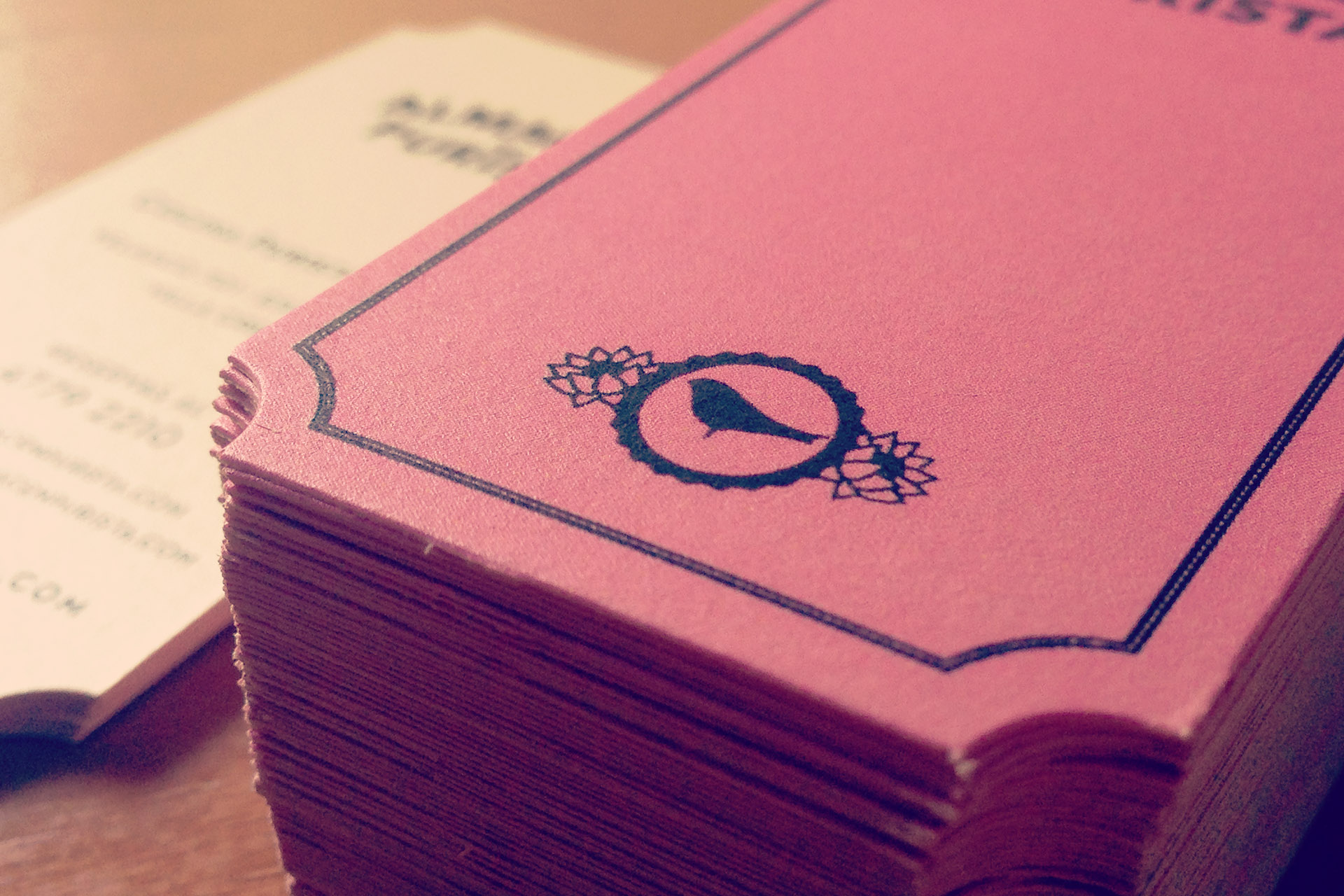
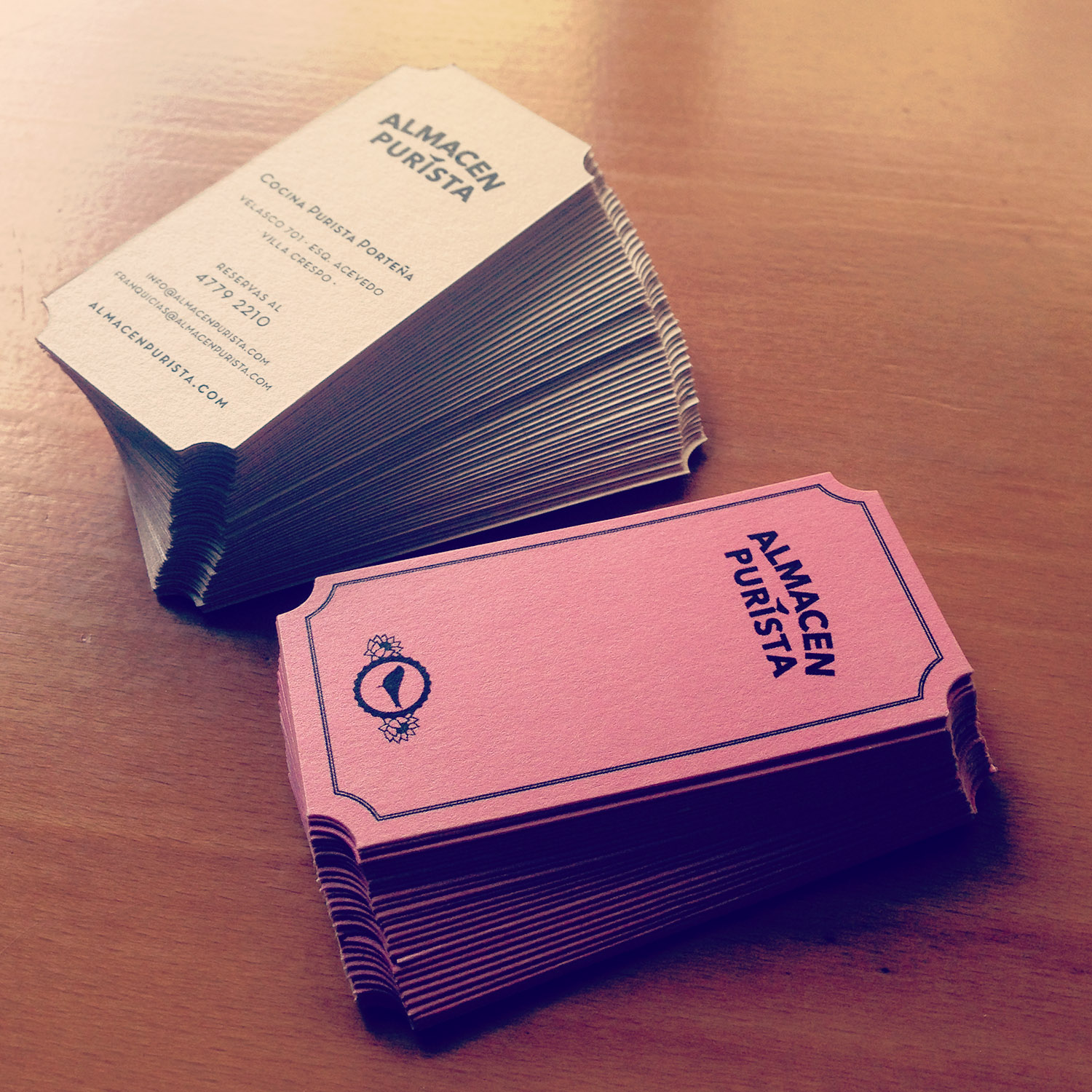
A NICE FIRST IMPRESSION

Almacén Purista
Almacén Purista
Almacén Purista

STAMP THEM ALL

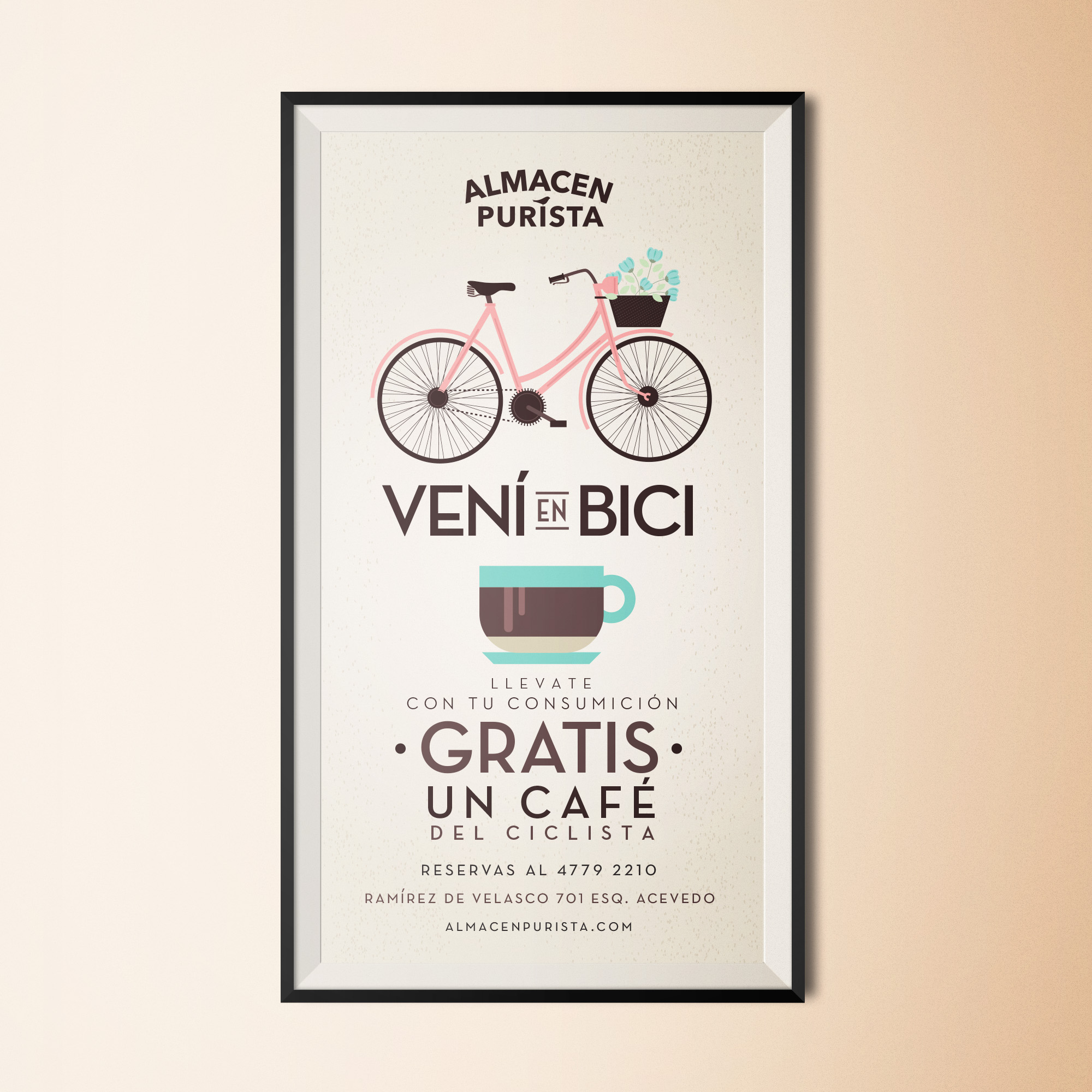
Poster Advertisement to encourage customers to come by bike and receive a free coffee as reward.
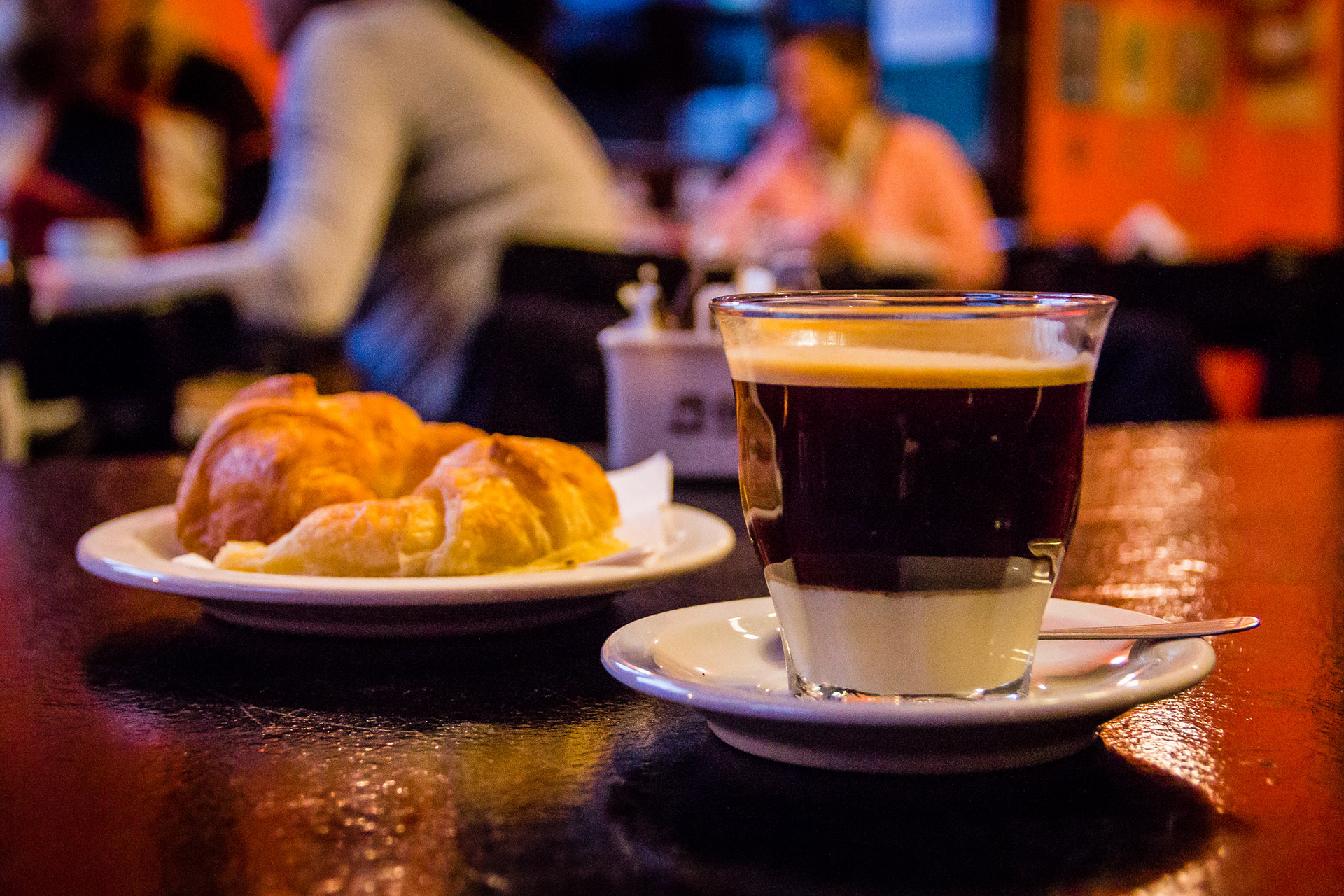
Delicious “bombón” coffee. Photo courtesy of La Vida de Viaje

NEXT

FITZ ROLL

A bit of order to the chaos 

or back to Flowics